SERVICE
AI Agents
Software that works like a team member, not a tool.
What is an AI agent?
An AI agent is a system built around a large language model that can plan a multi-step task, use tools such as search, databases, and APIs, check its own results, and decide what to do next without a person scripting every step. A multi-agent system splits the work between specialised agents, for example one that researches, one that drafts, and one that reviews, coordinated by an orchestration layer.
THE PROBLEM
Knowledge work is full of multi-step tasks (research, triage, drafting, cross-checking) that simple automation can't handle because each step requires judgment and context.
OUR SOLUTION
We engineer agentic systems using LangGraph, CrewAI, and custom orchestration: specialized agents that plan tasks, use tools, call APIs, verify their own outputs, and hand results to humans for approval, deployed with guardrails, logging, and cost controls.
HOW IT WORKS
How we build an AI agent
- 01
Map the workflow
We sit with the people who do the work today and write down every step, decision, and exception. The agent is designed around that map, not a generic template.
- 02
Define tools and boundaries
Each agent gets a specific set of tools (your CRM, inbox, documents, internal APIs) and explicit limits on what it may do alone and what needs a person's approval.
- 03
Ground it in your data
Retrieval-augmented generation connects agents to your knowledge base, so answers cite your documents instead of guessing.
- 04
Evaluate before launch
We build an evaluation set from real examples and measure accuracy, failure modes, and cost per run before the agent touches production.
- 05
Deploy with full visibility
Every decision, tool call, and cost is logged. Guardrails and approval gates stay in place after launch, and the evaluations keep running as the agent improves.
TYPICAL STACK
- LangGraph
- CrewAI
- Custom orchestration
- LLM APIs
- Vector databases
- Python
- FastAPI
TIMELINE
A single-workflow agent, such as lead research or ticket triage, usually fits our 4 to 8 week range for focused builds. Multi-agent platforms with several integrations are scoped as larger projects.
Key features
- Multi-agent orchestration with planning and tool use
- RAG-grounded knowledge so agents cite your data, not guesses
- Human-in-the-loop approval gates for sensitive actions
- Full audit logs, evals, and cost monitoring
- Integrations with your CRM, inbox, docs, and internal APIs
Use cases
- Lead research and enrichment pipelines
- Support ticket triage and drafted replies
- Market and competitor research digests
- Back-office document processing
Benefits
- Automate judgment-heavy workflows, not just clicks
- Agents that improve with feedback and evals
- Complete visibility into every decision the system makes
- Scale output without scaling headcount
COMPARE
AI agent vs. rule-based automation
| Criterion | AI agent | Rule-based automation |
|---|---|---|
| Best at | Judgment-heavy tasks with varied inputs | Fixed, repeatable steps |
| Exceptions | Reasons about new cases, escalates when unsure | Needs a new rule for each one |
| Inputs | Documents, email, web pages, free text | Structured fields and set triggers |
| Cost per run | Higher, each step calls a model | Very low once built |
| Choose it when | The work needs reading, deciding, and writing | The work is the same every time |
RELATED WORK
Built in this discipline.
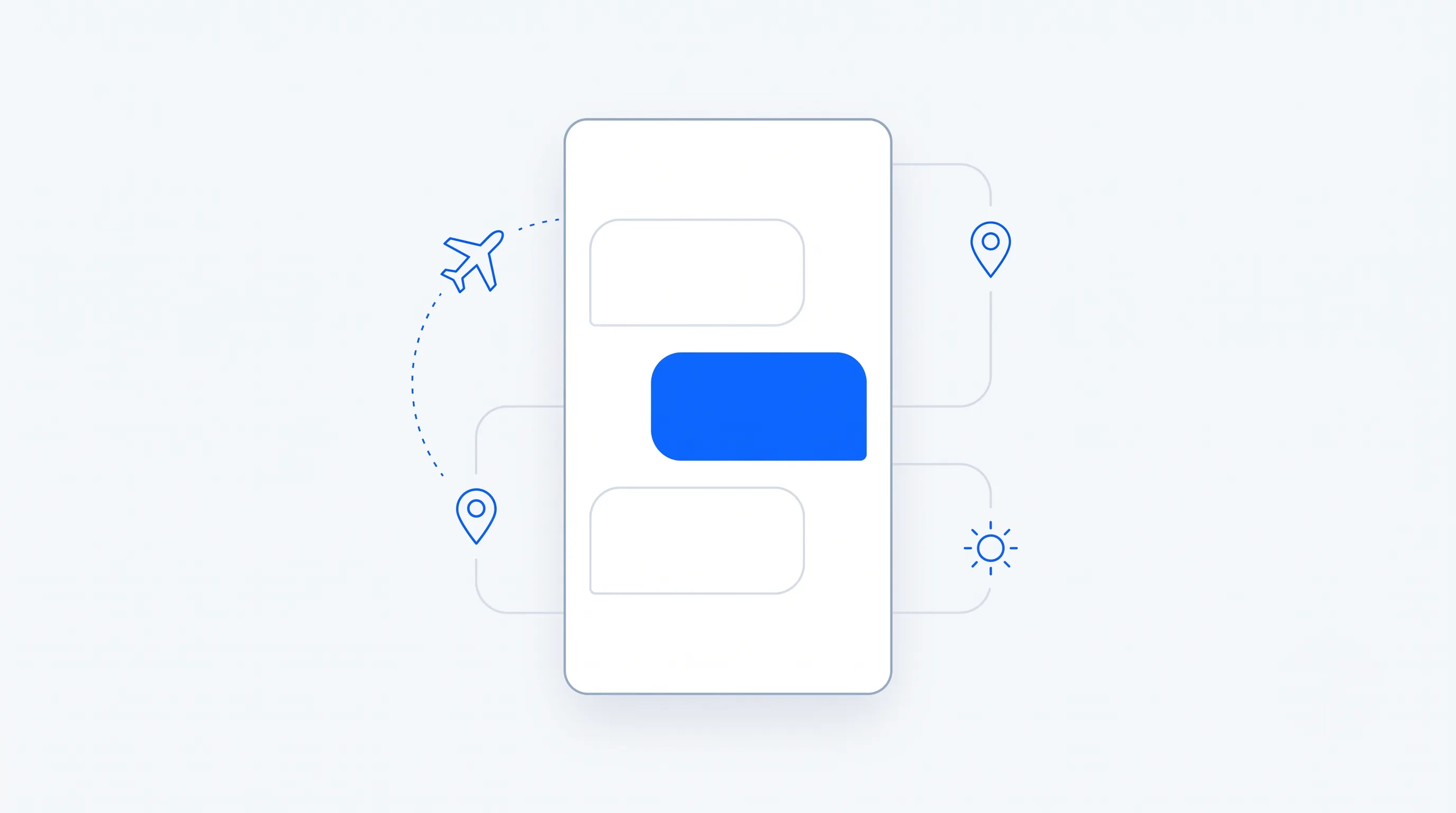
Trip Planner AI Chatbot
Custom chatbot that takes destination, budget, and dates to fetch flights, hotels, weather, and activities, then suggests a full AI-generated itinerary.
Case study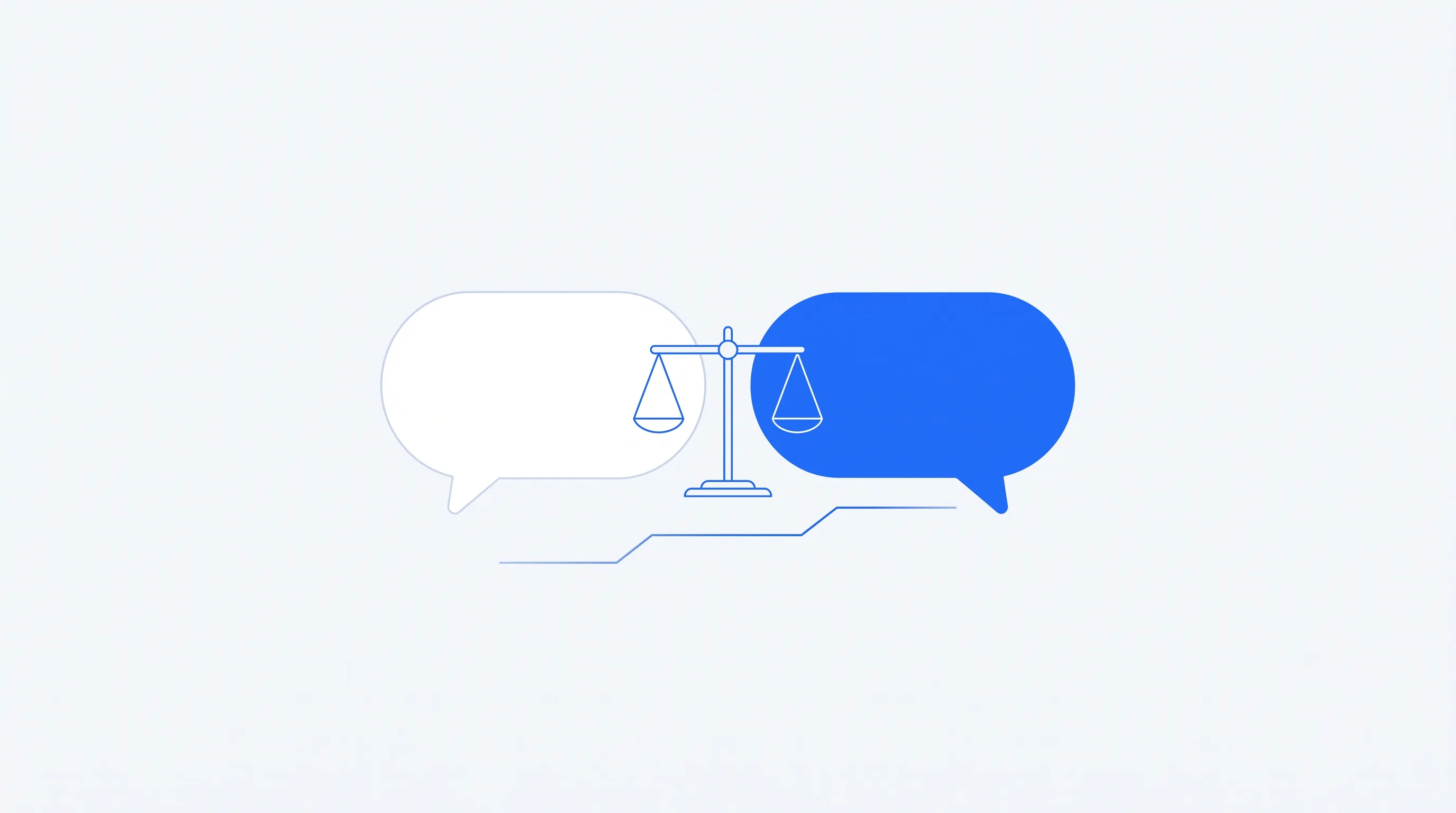
AI-Powered Sales Negotiator Bot
Custom chatbot that plays the role of a seller, negotiating on predefined rules and AI logic to automate sales conversations.
Case study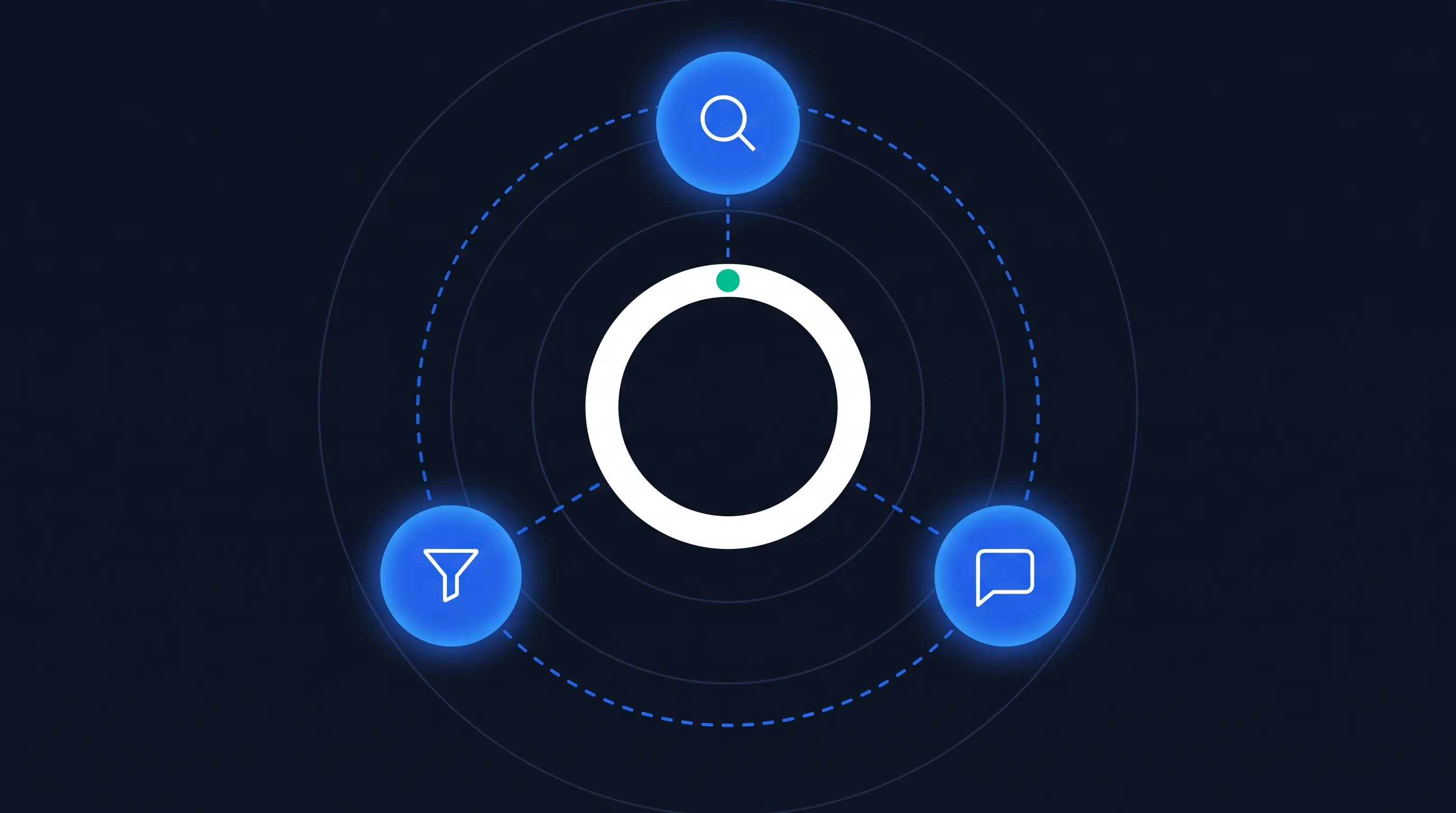
Multi-Agent AI Assistant
Agentic AI system with specialized agents for fetching, cleaning/summarizing, and answering user queries for startup research and investment summaries.
Case studyINDUSTRIES
Industries we build this for.
FAQS
AI Agents: common questions
What is the difference between an AI agent and a chatbot?
A chatbot answers questions in a conversation. An AI agent carries out work: it plans steps, uses tools and APIs, and produces an outcome such as an enriched lead list, a drafted reply, or a processed document. Many projects combine both, with a chat interface in front of an agent that does the work.
Is it safe to let an AI agent act on our systems?
Only with the right boundaries. We give each agent the minimum tools it needs, require human approval for sensitive actions such as sending money or emailing customers, and log every step so you can audit what happened and why.
Which frameworks do you use to build AI agents?
LangGraph and CrewAI where they fit, and custom orchestration when a project needs tighter control. The model provider is chosen per project on accuracy, speed, cost, and data requirements.
How do you stop an AI agent from making things up?
Agents are grounded in your data through retrieval, instructed to cite their sources, and tested against an evaluation set before launch. Where an answer must be right, the agent is designed to escalate to a person instead of guessing.
How do you control what an agent costs to run?
We measure cost per run during evaluation, send simple steps to smaller and cheaper models, avoid repeating work that can be cached, and set spending limits and alerts in production.
Discuss this project
Tell us what you're building. We'll show you exactly how we'd engineer it.
- Free 30-minute discovery call
- You own the code, models, and IP
- Working software every week