SERVICE
Full-Stack AI Development
From model to product. One engineering team.
What is full-stack AI development?
Full-stack AI development means one team builds every layer of an AI product: the data pipelines, the models or LLM integrations, the backend APIs, the application people use, and the infrastructure that deploys, monitors, and retrains it. The alternative is stitching together separate vendors for each layer, which tends to produce fragile systems nobody fully owns.
THE PROBLEM
Off-the-shelf AI tools don't fit complex, industry-specific requirements, and stitching vendors together produces fragile systems nobody owns.
OUR SOLUTION
We design and ship complete AI products: fine-tuned or API-based LLMs, RAG pipelines, vector search, custom models, wrapped in production backends, polished frontends, and MLOps so the system keeps improving after launch.
HOW IT WORKS
How we take an AI product from idea to production
- 01
Discover, weeks 1 to 2
Requirements, success metrics, and a technical feasibility assessment, so the product is anchored to a measurable outcome.
- 02
Design, weeks 2 to 4
System architecture, data flows, API contracts, and UI wireframes, approved by you before any production code is written.
- 03
Develop, weeks 4 to 10
Weekly sprints that deliver working increments, with continuous testing and a shared view of progress.
- 04
Deploy and scale, week 10 onward
Containerised deployment, CI/CD, monitoring, and a hypercare period, followed by optimisation driven by live performance data.
TYPICAL STACK
- Python
- FastAPI
- Django
- Node.js
- Next.js
- React
- pgvector
- Docker
- AWS
TIMELINE
Focused AI features and MVPs typically take 4 to 8 weeks. A comprehensive custom platform typically takes 3 to 6 months.
Key features
- Custom model development and LLM fine-tuning
- RAG pipelines with vector databases (Pinecone, Chroma, pgvector)
- API-first backends in FastAPI, Django, and Node.js
- Model monitoring, versioning, and automated retraining
- CI/CD to cloud or self-hosted infrastructure
Use cases
- AI SaaS platforms and internal tools
- Domain-specific copilots and Q&A assistants
- Recommendation and pricing engines
- Document intelligence platforms
Benefits
- Models trained on your data for maximum accuracy
- Full ownership of your AI systems and IP
- Architecture that scales from MVP to enterprise
- One accountable team from concept to production
COMPARE
Custom AI build vs. off-the-shelf AI tool
| Criterion | Custom build | Off-the-shelf tool |
|---|---|---|
| Fit | Designed around your workflows and data | You adapt your process to the tool |
| Ownership | You own the code, models, and IP | You rent access to the vendor's product |
| Data | Trained or grounded on your own data | Generic models, limited customisation |
| Upfront cost | Higher, since it is built for you | Lower, subscription pricing |
| Best for | Core workflows and products that set you apart | Standard tasks every company shares |
RELATED WORK
Built in this discipline.
AI-Powered Ad Generator & Competitor Analyzer
Intelligent advertising platform that creates optimized ads and analyzes competitor strategies using advanced AI algorithms.
Case study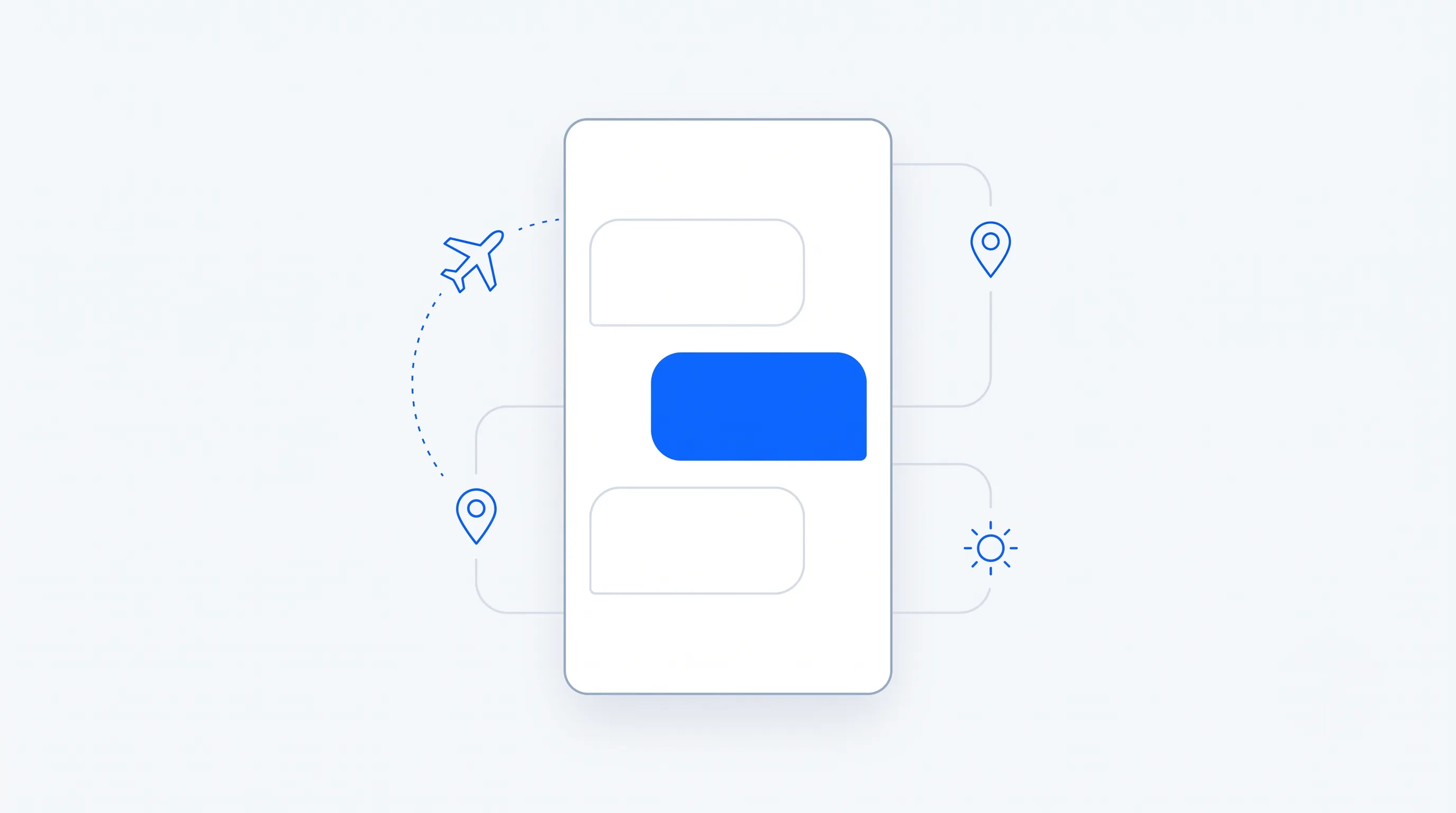
Trip Planner AI Chatbot
Custom chatbot that takes destination, budget, and dates to fetch flights, hotels, weather, and activities, then suggests a full AI-generated itinerary.
Case study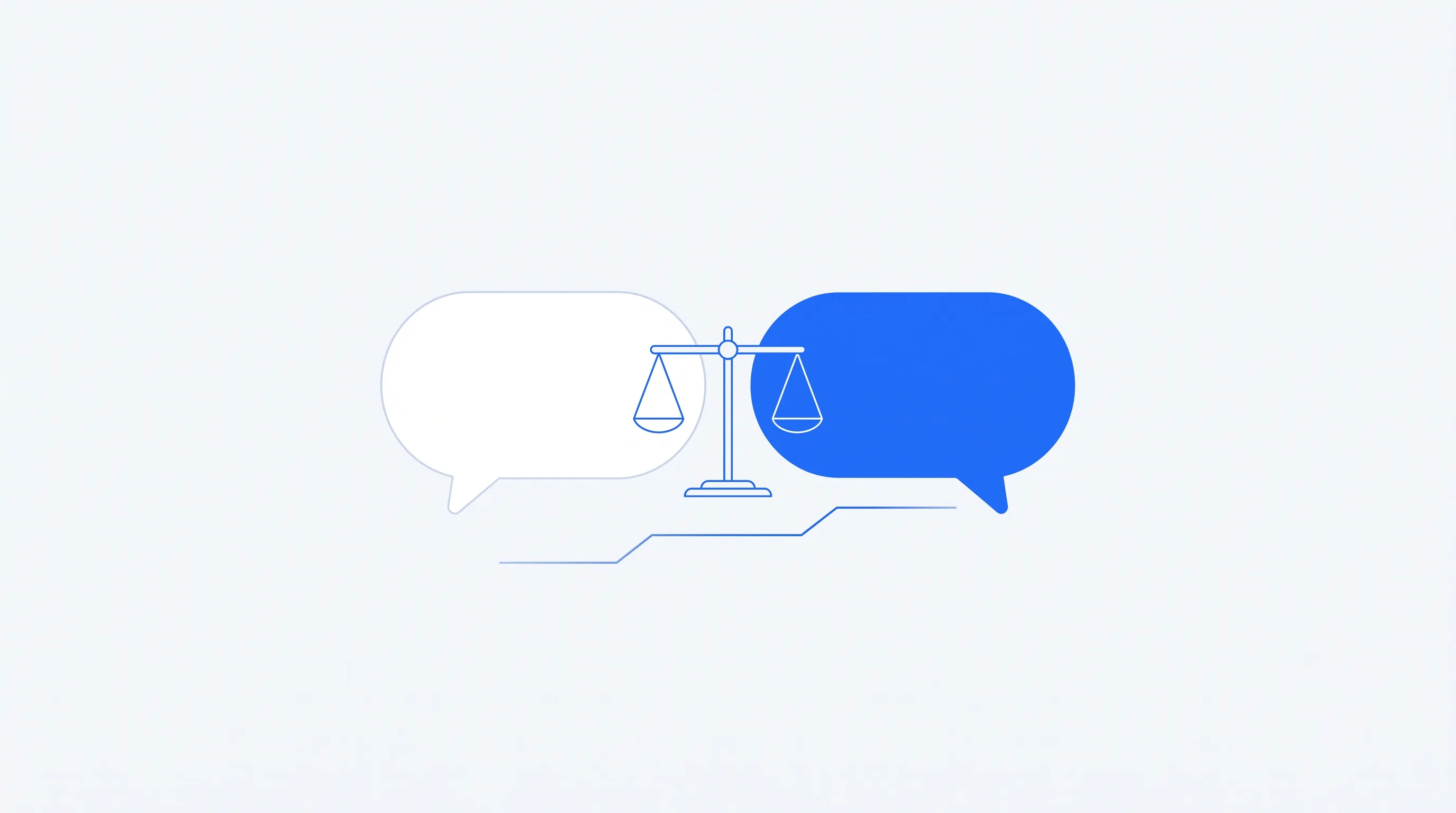
AI-Powered Sales Negotiator Bot
Custom chatbot that plays the role of a seller, negotiating on predefined rules and AI logic to automate sales conversations.
Case studyINDUSTRIES
Industries we build this for.
FAQS
Full-Stack AI Development: common questions
Do we own the code and models you build?
Yes. Model weights, training pipelines, infrastructure code, and application source code transfer to you when the project is complete. There are no licensing fees and no dependency on us to keep the system running.
Should we fine-tune a model or use RAG?
Most business applications start with retrieval-augmented generation, because it grounds answers in your current documents and is easy to keep up to date. Fine-tuning helps when you need a specific style, format, or domain behaviour that instructions alone cannot produce. Many production systems use both.
Can you add AI to our existing product?
Yes. AI features can be added to an existing application through an API layer, so you do not have to rebuild what already works.
Where do you deploy?
To AWS (EC2, Lambda, S3, SageMaker) or to self-hosted infrastructure when data residency or cost calls for it. Everything is containerised with Docker and shipped through CI/CD pipelines.
How long does it take to build an AI product?
A focused AI integration or MVP typically takes 4 to 8 weeks, and a comprehensive platform typically takes 3 to 6 months. Either way you see working software every week, not a single delivery at the end.
RELATED SERVICES
Often built alongside.
Discuss this project
Tell us what you're building. We'll show you exactly how we'd engineer it.
- Free 30-minute discovery call
- You own the code, models, and IP
- Working software every week