SERVICE
Computer Vision Systems
See, detect, and analyze in real time.
What is computer vision?
Computer vision is the field of AI that lets software understand images and video: detecting and counting objects, classifying defects, reading text, tracking movement, and flagging anomalies. A production computer vision system combines a model trained on examples from your environment with the camera, processing, and alerting pipeline that turns detections into decisions.
THE PROBLEM
Manual visual inspection and monitoring are expensive, inconsistent, and don't scale. Humans miss critical details under fatigue and volume.
OUR SOLUTION
We deploy custom-trained vision models for real-time object detection, classification, and analytics with superhuman accuracy, in the cloud or on edge devices.
HOW IT WORKS
How we build a computer vision system
- 01
Define what to detect
The objects, defects, or events, the accuracy you need, and what should happen when the system sees them.
- 02
Collect and label data
Images and video from your actual cameras, lighting, and conditions, labelled for training.
- 03
Train and validate
Models such as YOLO are trained on your data and tested on examples they have never seen before deployment.
- 04
Deploy where it runs best
In the cloud for scale, or on edge devices for low latency and offline operation.
- 05
Monitor and alert
Dashboards with counts, heatmaps, and events, plus alerts when something needs attention.
TYPICAL STACK
- Python
- PyTorch
- TensorFlow
- YOLO
- OpenCV
- Edge devices
- React dashboards
TIMELINE
A single detection use case with existing camera footage is typically a focused build in our 4 to 8 week range. Projects that need new data collection take longer.
Key features
- Real-time detection and tracking at 30+ FPS
- Custom model training on your specific use case
- Anomaly detection and alerting
- Edge deployment for low-latency environments
- Dashboards with counts, heatmaps, and events
Use cases
- Manufacturing quality inspection
- Security and surveillance analytics
- Retail foot-traffic and heatmaps
- Vehicle and license-plate recognition
Benefits
- 99%+ accuracy on trained objects
- Thousands of frames processed per second
- Inspection bottlenecks eliminated
- Fewer defects and incidents
COMPARE
Edge vs. cloud computer vision
| Criterion | Edge deployment | Cloud deployment |
|---|---|---|
| Latency | Lowest, processed beside the camera | Depends on the network round trip |
| Connectivity | Works offline | Needs a reliable connection |
| Footage | Can stay on site | Leaves the premises |
| Scaling | Hardware at each location | Scales centrally |
| Best for | Production lines, remote sites | Many locations, heavy models |
RELATED WORK
Built in this discipline.
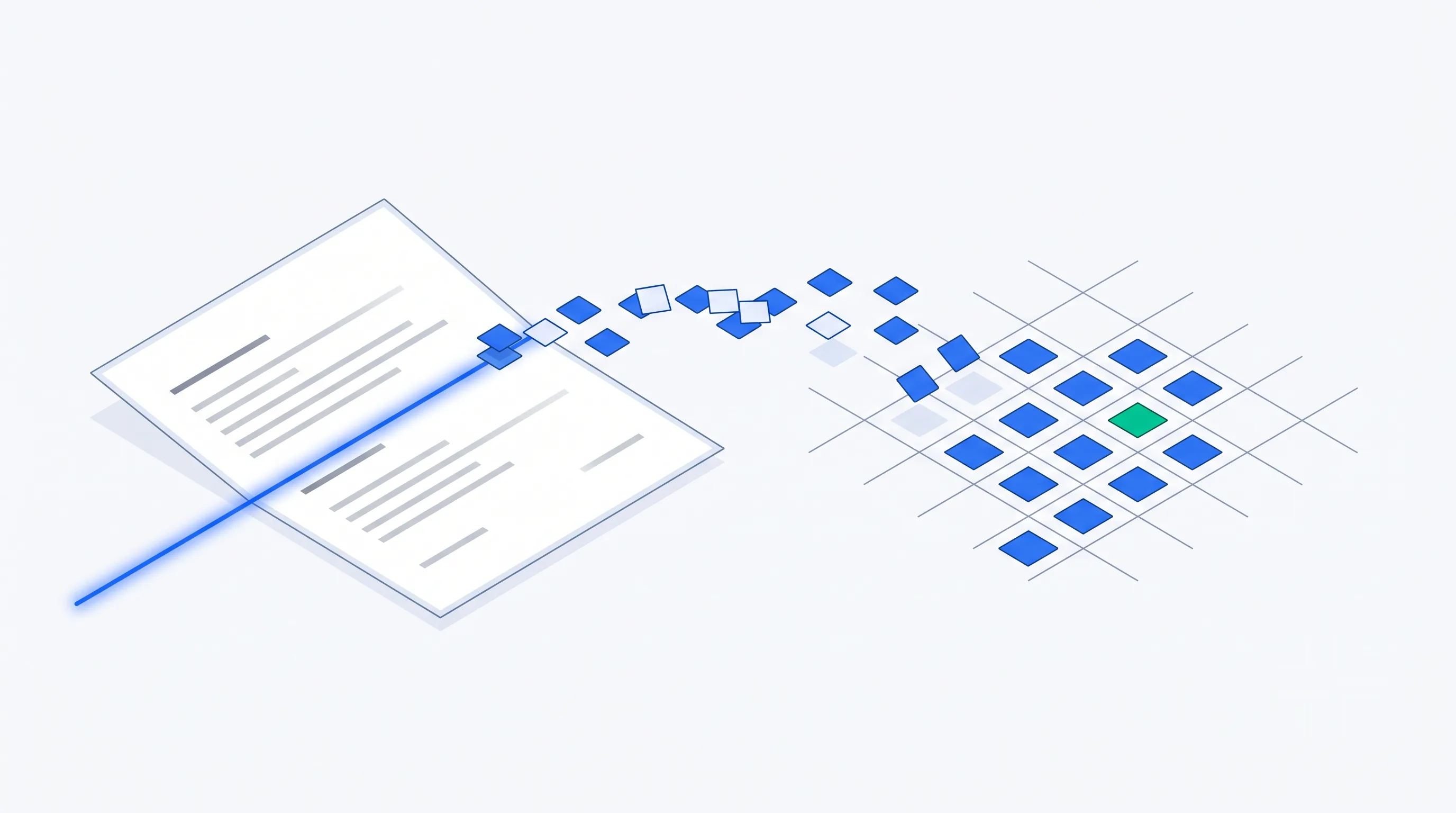
Invoice/OCR Data Extraction App
OCR system that uploads bills and receipts to extract fields automatically, fixes errors, and provides analytics on monthly spend and top categories.
Case study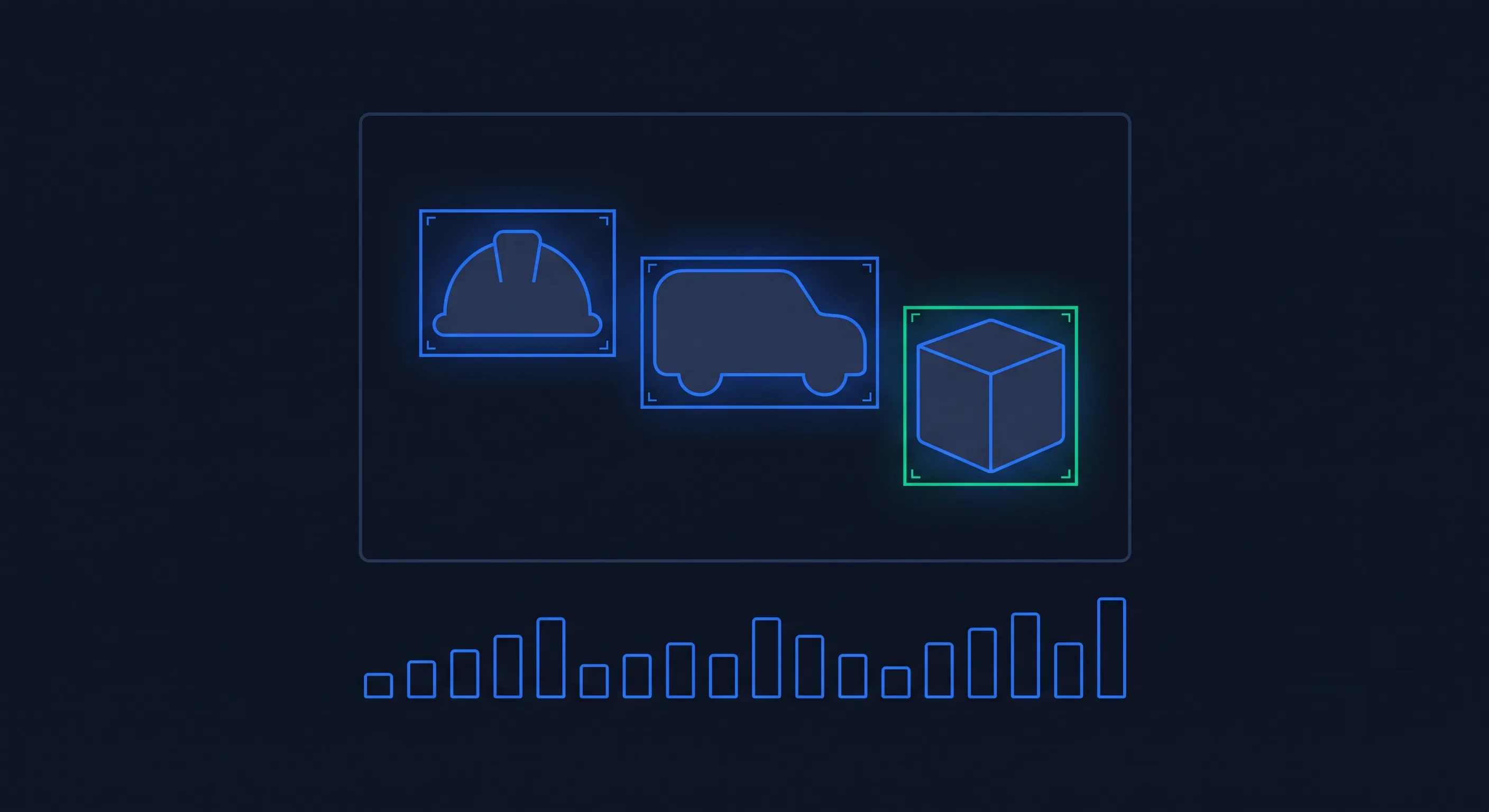
Smart Object Detection & Analytics Dashboard
Deep-learning dashboard that detects helmets, vehicles, products, and people with real-time video inference and object counting for safety-violation detection.
Case study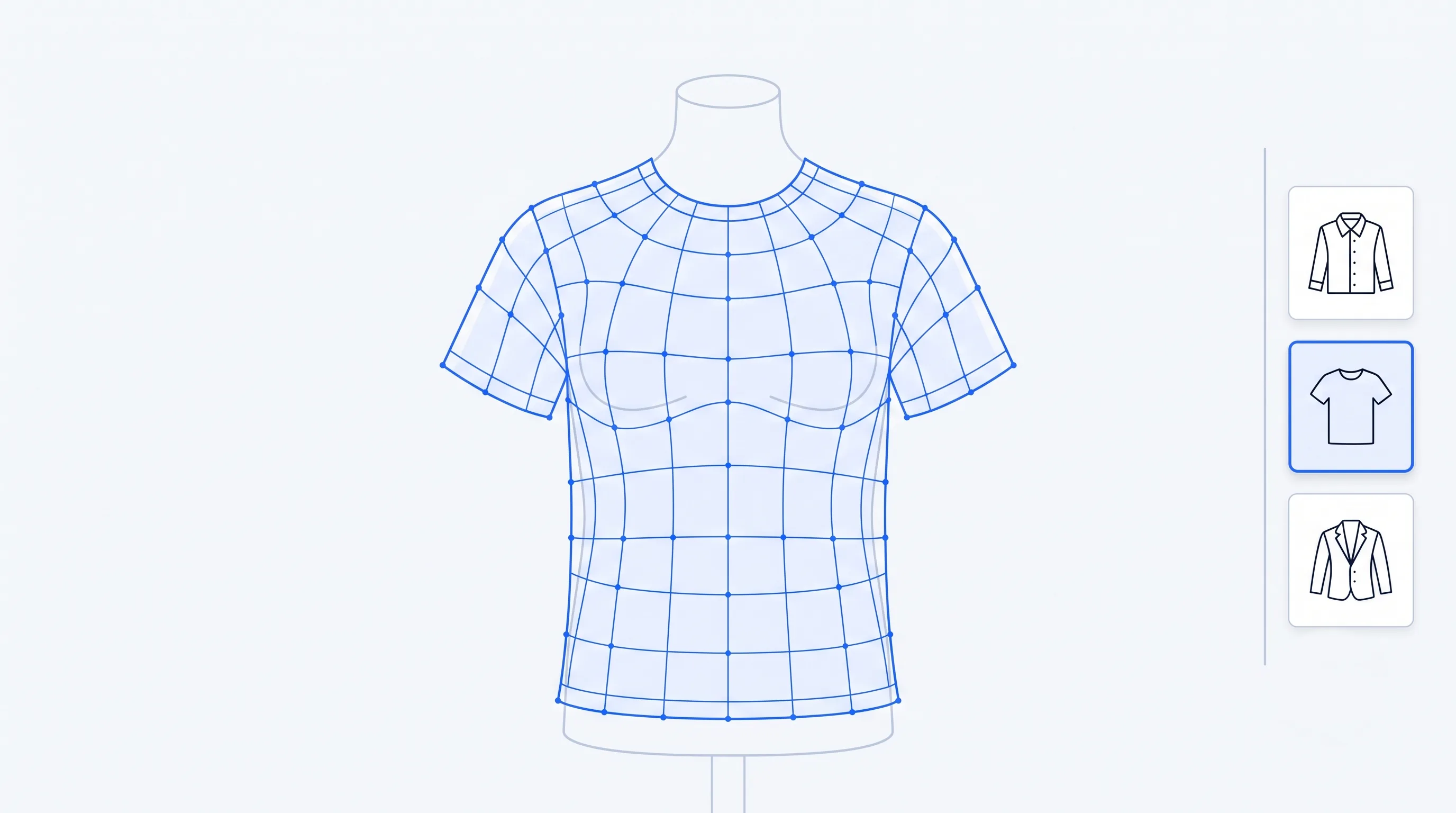
Virtual Clothes Try-On
Advanced AI-powered virtual fitting room that lets customers try clothes digitally before purchasing.
Case studyINDUSTRIES
Industries we build this for.
FAQS
Computer Vision Systems: common questions
How accurate is computer vision?
It depends on the task and the training data. On well-defined objects with good data, our systems reach 99%+ detection accuracy on the classes they are trained for. We agree an accuracy target up front and measure against it before launch.
How much training data do we need?
Enough examples of every object or defect in the real conditions the cameras will see. We assess your existing footage during discovery and plan any extra collection and labelling.
Can it use our existing cameras?
Often, yes, if the resolution, angle, and lighting clearly show what needs to be detected. We check sample footage before committing to an approach.
Does it work in real time?
Yes. Our real-time systems process video at 30+ frames per second, fast enough for live alerts on production lines and in safety monitoring.
Can footage stay on our premises?
Yes. Edge deployment processes video on devices at your site, so footage does not have to leave it.
Discuss this project
Tell us what you're building. We'll show you exactly how we'd engineer it.
- Free 30-minute discovery call
- You own the code, models, and IP
- Working software every week